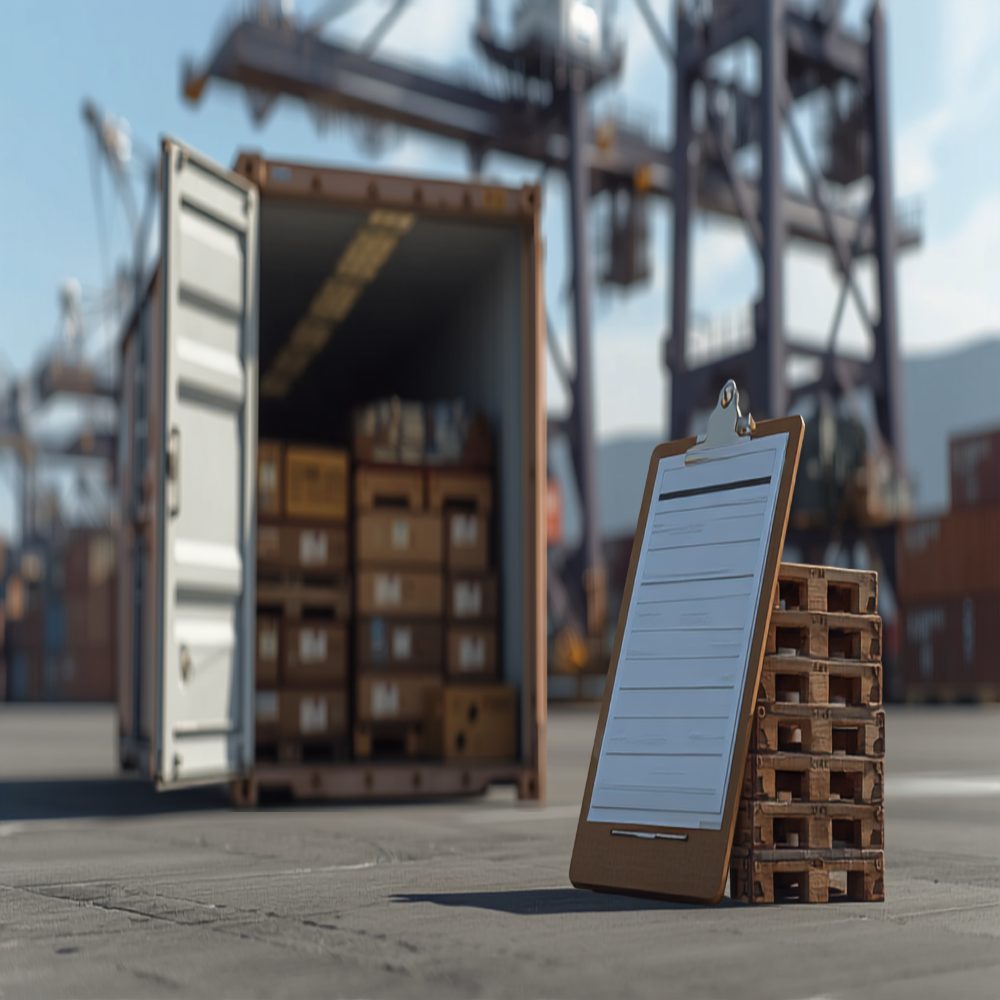
Licensed In-House CHA Support For Import & Export Clearance
Customs clearance is the single stage of a shipment where paperwork errors, misclassification or a missed regulatory step can turn a routine consignment into a costly hold. MTLS operates its own in-house licensed Customs House Agent (CHA) desk rather than routing client shipments through third-party clearance agents, which means the people handling your documentation, duty assessment and compliance filings work directly for us and answer to your account manager, not to an outside vendor with competing priorities.
Our clearance team covers both import and export consignments moving through India's major seaports, airports and ICDs, working alongside our ocean freight and air freight desks so that customs formalities are planned into the shipment schedule from the outset rather than treated as a separate, disconnected step. That coordination is what keeps cargo moving instead of sitting in a bonded yard while paperwork catches up.
A typical day at our CHA desk starts with a review of every file due for filing or awaiting a customs response, cross-checked against vessel and flight schedules so nothing slips past its window. Classifying goods under the correct Harmonised System (HS) code is one of the most consequential steps in that process — the code determines the duty rate, whether any restrictions or licences apply, and whether the shipment qualifies for a preferential rate under a trade agreement. Our classification specialists work from the product description, technical specification sheets and, where the code is genuinely ambiguous, prior assessment history for similar goods, rather than defaulting to whatever code was used on the last invoice. Getting this step right the first time is what prevents the reassessment notices and penalty proceedings that can eat weeks into an otherwise straightforward shipment.
Duty assessment follows directly from classification, and our team calculates the applicable basic customs duty, IGST, cess and any anti-dumping or safeguard duty that may apply before the bill of entry or shipping bill is ever filed, so your finance team has real numbers to plan against rather than an estimate that changes after the fact. This is also where the case for an in-house desk is strongest: an outsourced clearance agent is typically paid per transaction and has no lasting stake in your account, whereas our CHA staff are MTLS employees who are measured on the same client-service standards as the rest of the business. When a query comes in from customs, they don't need to relay it through an external company's own internal process before responding — they pull the file, check it against the original documentation, and respond the same day.
Key Benefits Of Customs Clearance With MTLS
- Licensed in-house CHA team with no dependency on third-party clearance agents who may deprioritise your shipment. Every clearance file is handled by our own trained staff, so accountability for delays or errors sits with MTLS and not with a vendor we have to chase for answers.
- Accurate HS code classification that reduces the risk of duty disputes, penalties and reassessment delays. Our classification team checks each product against the current tariff schedule and flags any code that has previously drawn scrutiny, rather than reusing a code purely because it appeared on an earlier invoice.
- Faster clearance turnaround built on established working relationships with customs officials at key ports and airports. Familiarity with local procedures and examination norms at each location means we can anticipate what a specific customs house will ask for and have it ready in advance.
- Transparent duty and tax breakdown presented before filing, so there are no surprise charges at release. We share the calculated duty, IGST, cess and any additional levies with you before the bill of entry is filed, so budgeting and cash flow planning are never disrupted by a last-minute figure.
- Single point of contact from document submission through to cargo release and handover. One MTLS representative tracks your file from the moment documents are submitted to the moment cargo is released, so you are never passed between departments or left chasing status updates.
Features Of Our Customs Clearance Service
Import Clearance
Bill of entry filing, duty assessment and release coordination for inbound cargo.Export Clearance
Shipping bill filing and export documentation for outbound consignments.Duty & Tariff Advisory
Pre-shipment guidance on applicable duty rates and classification codes.Documentation Management
Preparation and verification of all customs-mandated paperwork.Industries That Need Extra Customs Attention
Pharmaceutical shippers require careful handling of regulatory certificates and drug licences that must be filed correctly before cargo can move. Electronics importers face closer valuation scrutiny given the sensitivity around under-invoicing checks. Textile exporters routinely draw on export incentive schemes that need to be claimed correctly at the time of filing, and stone and handicraft exporters from the Jaipur region often deal with classification nuances specific to natural materials. Our CHA team has direct working experience across all four categories.
Our Customs Clearance Process
Document Verification
Duty Assessment & Filing
Examination Coordination
Release & Handover
We begin by verifying invoices, packing lists and any regulatory certificates against the shipment details, then classify the goods and file the bill of entry or shipping bill with the assessed duty. If customs selects the consignment for physical examination, our team coordinates directly with the inspecting officer to keep the process moving rather than leaving it to chance. Once cleared, we arrange release and hand the cargo over to onward transport or the consignee, with copies of all clearance documents provided for your records.
Why Choose MTLS For Customs Clearance
Many forwarders outsource clearance to a network of local agents at each port, which means your shipment competes for attention alongside consignments from other clients and other companies entirely. Because our CHA desk is in-house, your account manager can get a real-time answer on filing status or a customs query without waiting on a third party to respond. That direct line of accountability is often the difference between a shipment cleared same-day and one that sits waiting for someone outside our organisation to get around to it.
Frequently Asked Questions
Gallery