Pan-India Trucking That Connects Every Mode We Run
Road transport is the one MTLS service that touches almost every shipment we handle, whether it starts on a vessel at Mundra, lands as air cargo in Delhi, or begins life as a factory pickup in an industrial belt outside Jaipur. Our trucking network covers both Full Truckload (FTL) and Less than Truckload (LTL) movements across 28 states, running on a mixed fleet of owned vehicles and vetted partner carriers so we can flex capacity up or down without leaving a customer waiting on a truck that doesn't exist yet.
FTL makes sense when a single consignment fills, or nearly fills, a vehicle on its own — a full production run heading to a distributor, a container-load of stone slabs booked for export, or a time-critical dispatch where sharing space with other cargo simply isn't an option. LTL, on the other hand, is built for the shipper moving smaller volumes on a regular basis: a garment unit sending weekly cartons to a buying house, or a components supplier topping up a dealer's stock. By consolidating several such consignments onto one vehicle and routing them along a shared corridor, we're able to offer rates that a dedicated truck booking simply couldn't match, without asking the customer to compromise on transit reliability.
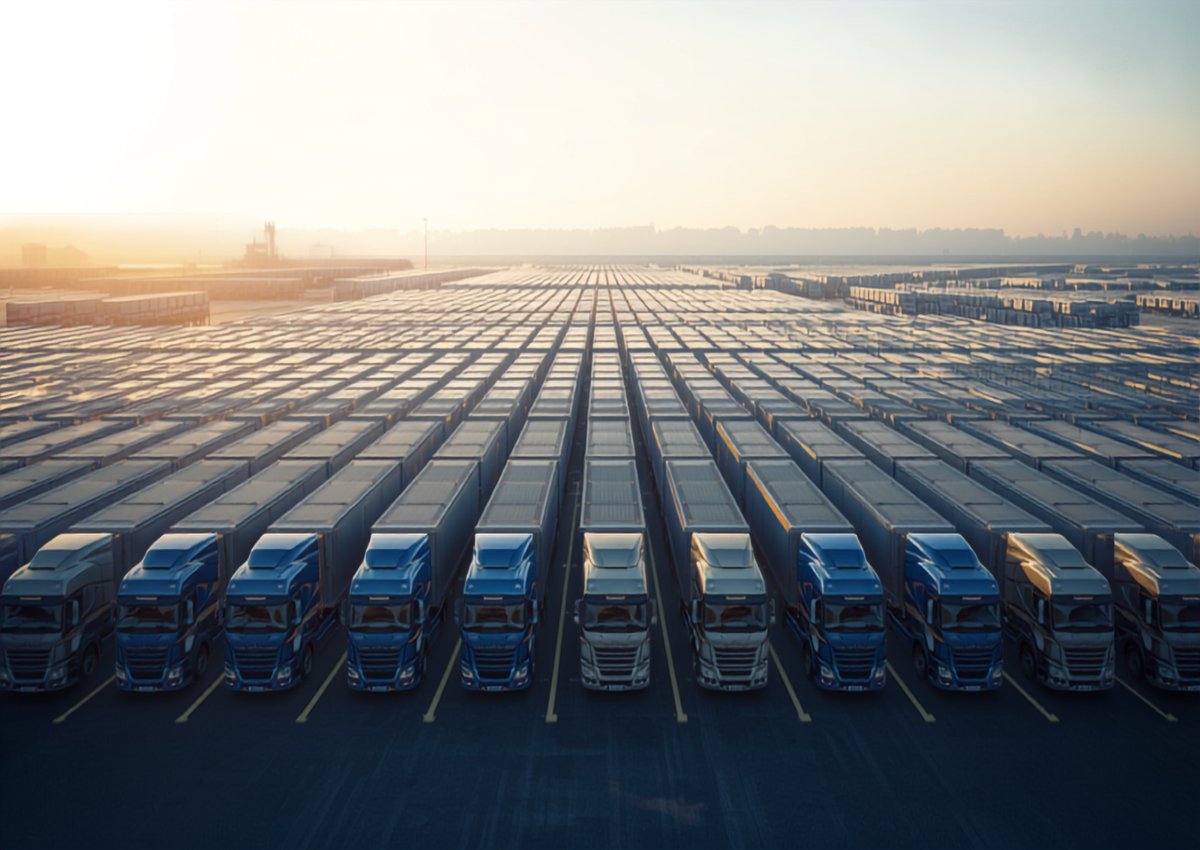
Our fleet mix is built to match the cargo rather than the other way around. Light and mid-size commercial vehicles handle urban and short-haul LTL runs where manoeuvrability inside congested markets and industrial estates matters more than raw capacity, while multi-axle trailers, flatbeds and container carriers cover the long-haul FTL lanes — including the routes we run most often out of Jaipur toward the container terminals at Mundra and Pipavav, the inland container depots at Kanakpura and Jodhpur, and the air cargo hub at Delhi. Where the cargo itself demands it — oversized stone blocks, machinery, or palletised FMCG loads — we match the vehicle type and tie-down method to the load before it ever leaves the yard, rather than defaulting to whatever truck happens to be free.
Every vehicle in active service reports location through GPS tracking, which means a dispatch isn't a black box between pickup and delivery — it's a live status our operations desk can check at any point, cross-reference against the planned route, and use to flag a delay before it becomes a missed commitment. That same tracking data feeds into the estimated arrival times we share with customers, so a delivery window isn't a guess pulled from a standard transit chart but a figure grounded in where the truck actually is. We schedule around your production and dispatch windows rather than forcing shipments into a fixed daily cutoff, and because road transport is what links our ports, airports, rail sidings and warehouses to the customer's actual doorstep, it's fair to call it the backbone that makes the rest of MTLS's network function end to end.
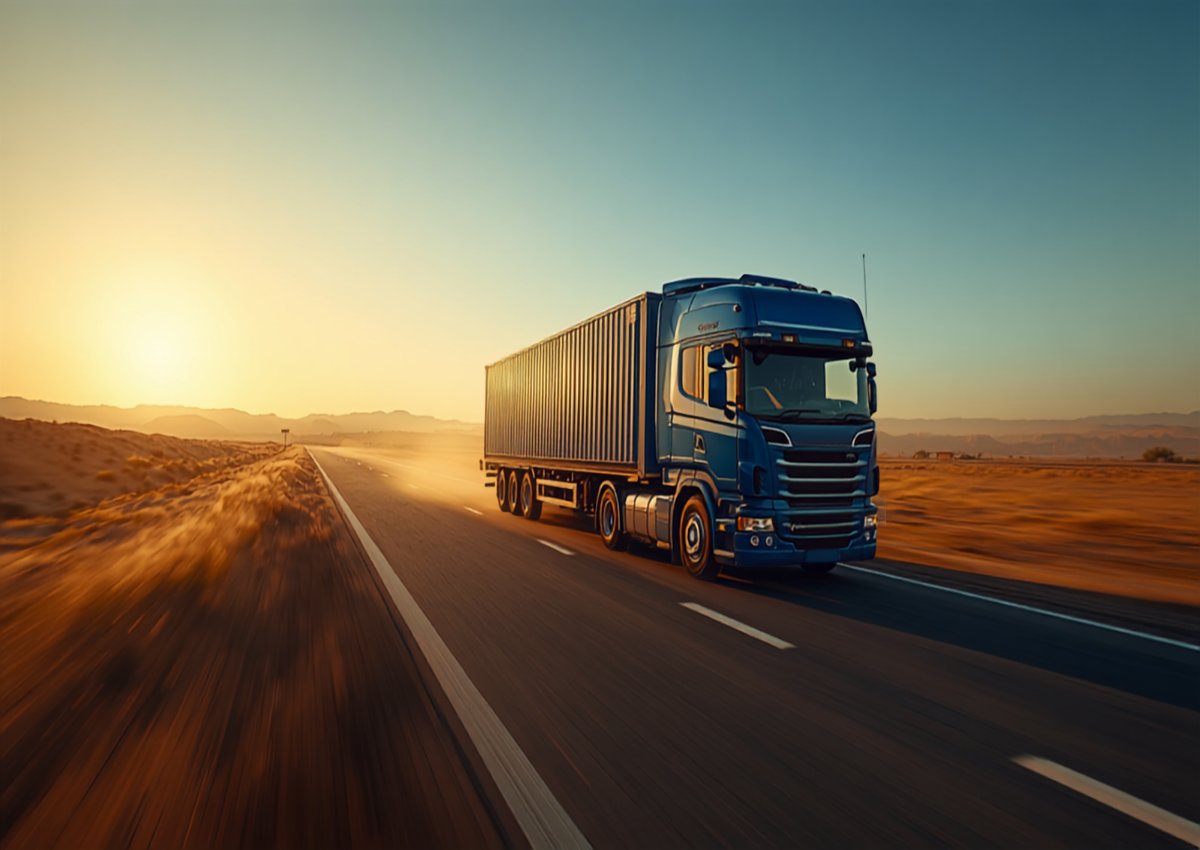
Key Benefits Of Road Transport With MTLS
- Competitive FTL & LTL rates built on long-term relationships with owned and partner fleet operators across major freight corridors. Because we negotiate capacity in volume across multiple lanes, we can pass on rates that a one-off booking with a local transporter usually can't match.
- Real-time GPS tracking on every dispatch, so location and estimated arrival are never a guessing game. If a vehicle runs into a diversion, a weighbridge queue or unexpected weather, our team sees it on the tracking feed and lets you know before you have to ask.
- Flexible pickup scheduling that works around your production line or warehouse dispatch windows, not a fixed daily cutoff. That flexibility extends to multi-drop LTL runs too, where we sequence pickups and deliveries to minimise handling and keep transit times tight.
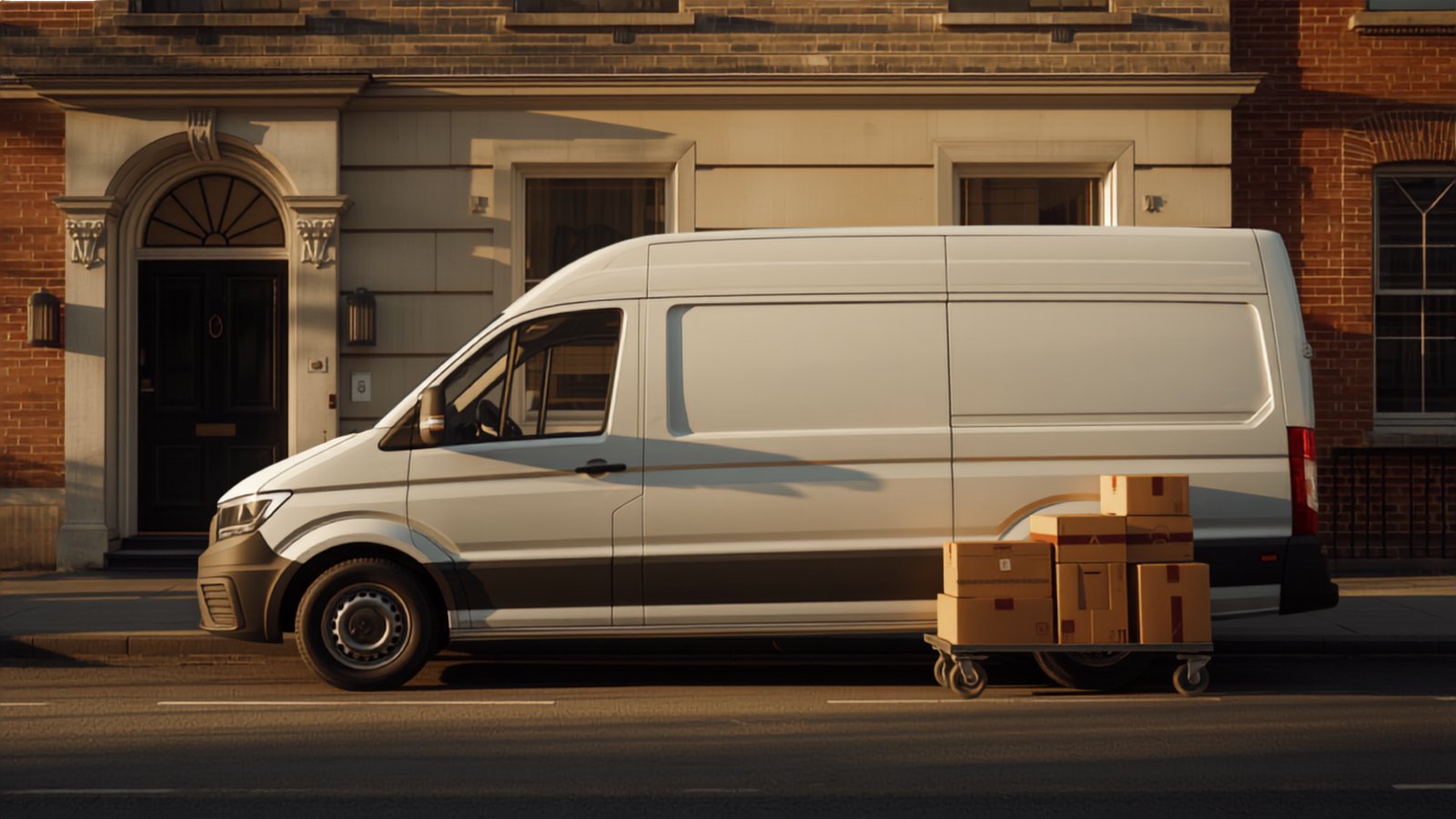
- Wide vehicle range from light commercial vans for urban LTL runs to heavy multi-axle trailers for bulk FTL loads. In between, we operate closed-body trucks, flatbeds and container carriers, so the vehicle assigned to your cargo is chosen for the load rather than whatever happens to be available.
- Reliable last-mile delivery that closes out ocean, air and rail shipments right to the consignee's door. This is often the leg that determines how a customer experiences the entire shipment, so we treat the final few kilometres with the same discipline as the long-haul run that preceded it.
Features Of Our Road Transport Service
FTL Dedicated Trucking
A single vehicle reserved exclusively for your cargo, ideal for full production batches. No shared space, no intermediate stops for other consignments — just your load, picked up and delivered on the schedule you set.LTL Shared-Load Options
Cost-efficient shared trucking for smaller consignments that don't need a full vehicle. We consolidate compatible cargo along common corridors so smaller shippers still get scheduled, tracked movement without paying for space they don't use.GPS Fleet Tracking
Live location visibility on owned and partner vehicles from dispatch to delivery. The same visibility applies whether the truck is ours or a partner carrier's, so tracking never becomes patchy once a load changes hands.Route Optimisation
Corridor and load planning that keeps transit times predictable and costs in check. We factor in known bottlenecks, checkpoints and seasonal traffic patterns when we plan a route, rather than defaulting to the shortest line on a map.Industries That Rely On Our Road Transport Desk
Textile and garment units across Rajasthan move both raw material and finished goods on our LTL network almost daily, while FMCG and retail distributors depend on scheduled FTL runs to keep store shelves and regional depots stocked. Given our base in Jaipur, we also carry a steady volume of stone, marble and building-material cargo for construction and export clients, along with general industrial goods moving between factories, warehouses and the ports and rail terminals that connect them to the rest of the country.
Our Road Transport Process
Booking & Route Planning
Loading & Dispatch
In-Transit Tracking
Proof Of Delivery
We confirm your load requirement and plan the most efficient route and vehicle type for the cargo, then coordinate loading at your facility within the agreed pickup window. Once the vehicle is on the road, our team monitors progress through GPS tracking and flags any delay well before it becomes a missed delivery commitment. On arrival, we collect and share signed proof of delivery so the paper trail closes out as cleanly as the physical shipment.
Why Choose MTLS For Road Transport
A trucking booking can go wrong in a dozen small ways — a vehicle that doesn't show, a route that ignores a known diversion, a driver nobody can reach. We manage that risk through a named account-manager model, so the person coordinating your dispatch already knows your regular lanes, preferred vehicle types and delivery contacts. Combined with a fleet mix flexible enough to cover everything from a single-pallet LTL run to a multi-trailer FTL movement, that's what lets us commit to a pickup window and actually keep it.
Frequently Asked Questions
Gallery